In the world of sneaker culture, owning a pair of authentic kicks is often seen as a symbol of style, status, and passion. However, with the rise of counterfeit sneakers flooding the market, it has become crucial for buyers to know how to spot fake sneakers and ensure their purchases are genuine. Whether you’re investing in limited-edition releases or everyday staples, understanding the subtle signs of authenticity can save you from falling victim to scams and help you build a legitimate collection. This buyer’s guide will walk you through essential tips and techniques on how to spot fake sneakers, empowering you to make informed decisions and confidently distinguish real from counterfeit kicks.
Counterfeits are everywhere, so buyers use a sneaker shopping guide to verify materials, stitching, and packaging. Trusted retailers prevent scams, ensuring every pair purchased is real. Knowing the details saves money and protects your collection from fake products.
Examine the Overall Quality and Materials
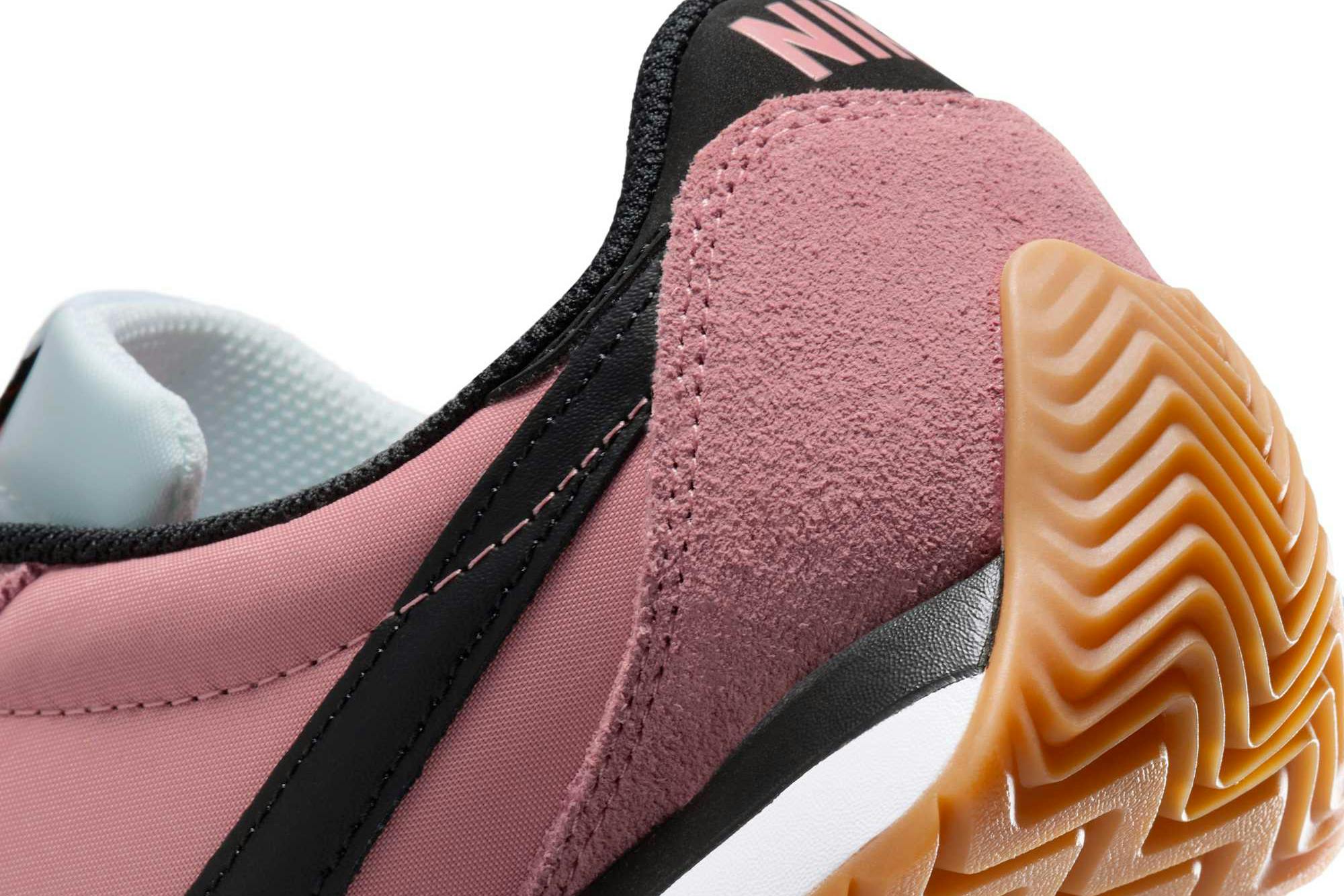
The first step in verifying sneaker authenticity is scrutinizing the overall quality and materials used. Authentic sneakers are crafted using high-quality fabrics, leather, and rubber that feel sturdy and well-made. Counterfeit shoes often utilize cheaper, thinner materials that may feel flimsy or plastic-like. Pay close attention to the texture, weight, and finish of the shoes. Genuine sneakers typically have uniform stitching, smooth edges, and consistent branding placement. Any irregularities such as uneven seams, loose threads, or inconsistent color tones are red flags indicating a fake pair.
Check the Branding and Logo Details
Branding elements are critical indicators of authenticity. Authentic sneakers feature precise, sharp logos with correct font styles and sizes. Counterfeit pairs might display blurry logos, misspellings, or misplaced emblems. Compare the logo placement on the shoe with official images from the brand’s website or authorized retailers. Also, examine the logo’s stitching or embossing; authentic sneakers usually have clean, crisp branding details, while fakes may show signs of poor printing or sloppy embroidery.
Inspect the Sole and Insole
The sole and insole of a sneaker can reveal clues about its authenticity. Authentic shoes often have unique tread patterns, high-quality rubber, and consistent coloring. Fakes might have shallow or uneven tread patterns and inferior rubber feel. Removing the insole can also help; genuine insoles frequently contain branding, sizing information, or serial numbers printed clearly. Fake insoles tend to have poorly printed or missing markings, indicating lower manufacturing standards.
Verify Serial Numbers and Tags
Many premium sneakers include serial numbers or QR codes on labels inside the shoes. These identifiers can be cross-checked on the brand’s official website or with customer service. Authentic sneakers usually feature serial numbers that match the box labels and are consistent across the pair. Counterfeit pairs often have mismatched, missing, or poorly printed serial numbers. Be cautious if the number appears smudged or lacks clear font quality. Additionally, check the manufacturing tags for correct language, fonts, and placement—fakes often have incorrect or poorly formatted tags.
Compare Packaging and Accessories
Authentic sneakers come with premium packaging, including branded boxes, tissue paper, and sometimes accessories like extra laces or dust bags. Examine the box for accurate logos, correct spelling, and sturdy construction. Counterfeit boxes may be lightweight, flimsy, or have misspelled words. The inclusion and quality of accessories can also indicate authenticity; genuine extras are well-made and securely packaged, whereas counterfeit boxes might contain inferior or missing items.
Additional Tips for Buyers
- Research the specific sneaker model thoroughly beforehand to familiarize yourself with all details.
- Buy from reputable sources such as authorized retailers, official brand stores, or verified resellers.
- Be wary of prices that seem too good to be true; significant discounts can be a red flag.
- Trust your instinct—if something feels off, take extra time to verify before making a purchase.
By paying close attention to these details and conducting thorough inspections, you can significantly reduce the risk of purchasing fake sneakers. Knowing how to spot fake sneakers: a buyer’s guide to authentic kicks, not only protects your investment but also helps you appreciate the craftsmanship behind genuine models. Armed with knowledge and vigilance, you’ll be better equipped to build a collection of authentic, high-quality sneakers that stand out in both style and substance.